Leak Repair in Tampa, FL
Water spots, dripping fixtures, and hidden leaks need quick attention before the damage spreads.
Schedule Service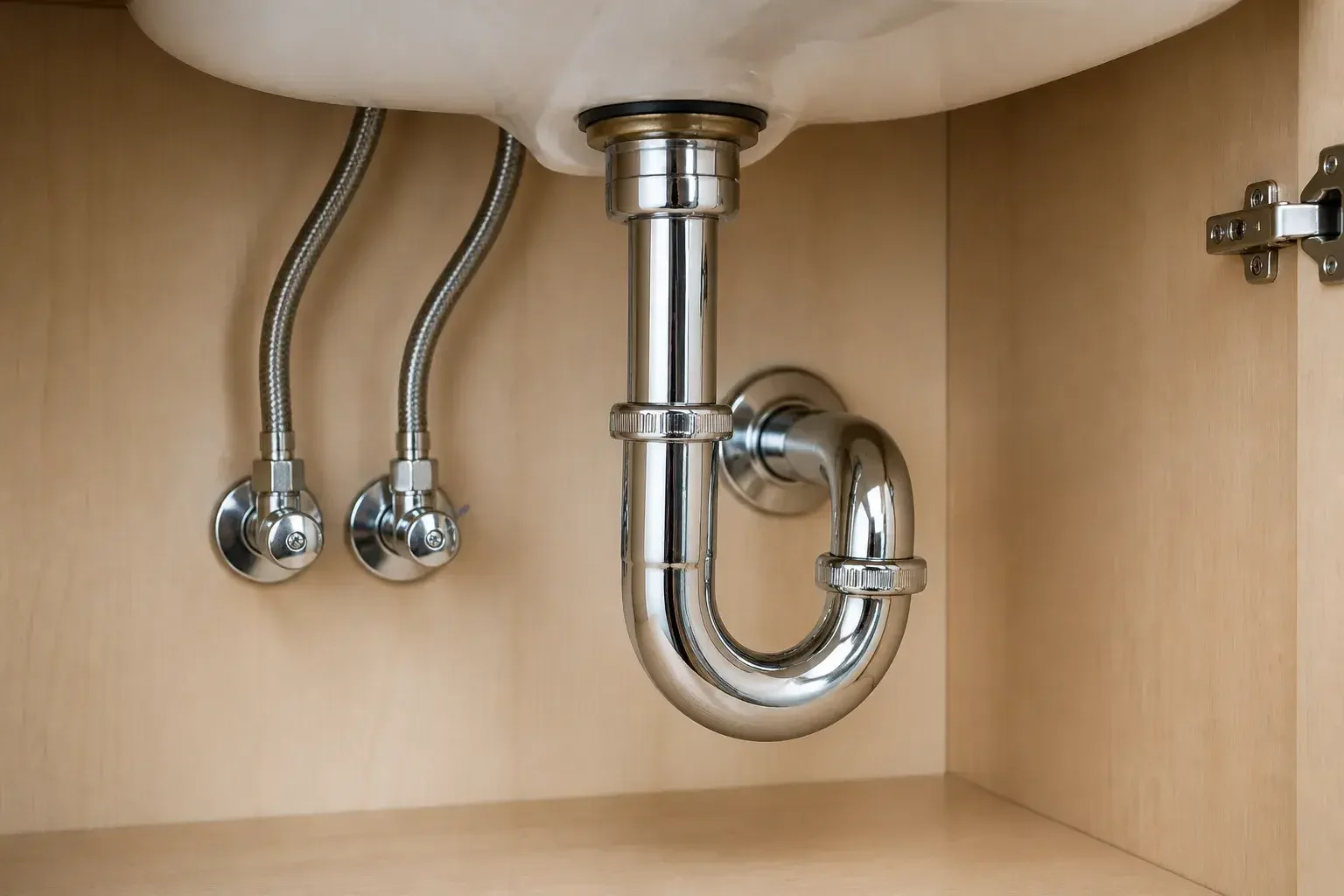
Leaking water rarely starts as a dramatic problem. It usually begins with a small drip under a sink, a damp spot on the ceiling, a puddle near a fixture, or a water bill that no longer makes sense. Even when the leak looks minor, it can stain surfaces, weaken materials, and keep sending water where it does not belong.
If you notice moisture that keeps returning, a sound of running water when nothing is on, or a cabinet that feels humid from the inside, it is time to act. Bayview Plumbing Co helps homeowners track down leak sources and make practical repairs, so the problem does not keep getting worse behind walls, under floors, or around fixtures.
Warning signs
A leak is not always easy to spot at first. Some problems show up as visible dripping, while others stay hidden until the damage is already spreading. Paying attention to the small clues can help you act before a minor issue turns into a bigger cleanup.
- Constant dripping: A faucet, supply line, or shutoff valve that keeps dripping wastes water and usually points to a worn part or loose connection.
- Damp cabinets: Moisture inside a cabinet often means water is escaping from a drain, trap, or supply line nearby.
- Ceiling stains: Discoloration on a ceiling can signal water moving from a fixture above, even if the leak is not obvious yet.
- Warped flooring: Soft, swollen, or uneven flooring can be a sign that water has been collecting for longer than it should.
- Running water sounds: Hearing water when no fixture is in use can point to a leak that is out of sight.
- Unexplained water use: A bill that climbs without any change in routine often deserves a closer look.
If any of these signs show up in your home, it helps to have the source checked sooner rather than later.
Common causes
Leaks can come from a few different places, and the repair depends on where the water is escaping. A good fix starts with identifying the exact source, not just the wet area you can see.
- Loose connections: Fittings under sinks, behind toilets, and at appliances can work loose over time and start seeping water.
- Worn seals: Gaskets, washers, and other sealing parts can harden, crack, or flatten, which leaves small gaps for water to escape.
- Corroded piping: Metal components can weaken with age and develop pinhole leaks or splits that worsen slowly.
- Cracked drain parts: Drain pipes and traps can crack or separate, especially where movement or strain has affected the joints.
- Fixture damage: Faucets, valves, and similar parts can leak from the body of the fixture, not just the connection points.
Sometimes the visible moisture is only part of the story. Water can travel along framing, pipe runs, or surfaces before it shows up, which is why pinpointing the source matters.
What we check
Bayview Plumbing Co looks beyond the obvious drip to find where the water is actually coming from. That approach helps avoid temporary fixes that only hide the issue for a little while.
Leak locations
- Under sinks: We look for failing drain connections, loose supply lines, and moisture patterns inside cabinets.
- Around fixtures: We check faucets, shutoff valves, toilets, and other fixture connections where small leaks often start.
- Visible piping: We inspect accessible pipe runs for corrosion, dripping joints, and signs of stress.
- Hidden moisture: We follow clues from stains, puddles, and damp areas to narrow down likely leak paths.
Repair approach
- Targeted fixes: When the problem is limited to one part, we repair the failed section instead of changing more than necessary.
- Part replacement: If a seal, valve component, or fitting has worn out, replacing that piece can stop the leak cleanly.
- Source-based decisions: We match the repair to the cause so the same issue is less likely to keep returning.
This is especially helpful when the leak is not obvious at first glance. A wet spot in one place may come from a fitting or section of pipe a few feet away, so the right diagnosis matters.
How visits work
A leak repair visit should feel straightforward. You explain what you have noticed, we look at the affected area, and then we work through the likely source until the problem is clear.
- Listen to the symptoms: We start with your observations, including when you first saw moisture, heard dripping, or noticed changes in water use.
- Trace the source: We inspect the visible area and nearby connections to find where water is starting to escape.
- Explain the options: Once the source is identified, we explain what needs repair and what can be left alone.
- Complete the fix: We make the repair and check the area again so you know the leak has been addressed at its source.
That process keeps the work focused on the actual problem instead of guessing at the wrong part of the system.
Why quick action matters
A leak may start small, but it does not stay still. Water can continue soaking materials, spreading through adjacent areas, and making the repair more involved later on. Prompt attention can also help limit how much of the surrounding area is affected.
Here is what can happen when a leak is ignored:
- Surface damage: Stains, peeling finishes, and warped materials can become harder to restore the longer moisture stays present.
- Hidden spread: Water can move into spaces you cannot see, especially around cabinets, walls, and flooring.
- More parts affected: A simple connection problem can turn into damage to nearby pipe sections, fixtures, or finishes.
- Recurring symptoms: If the source is not fully corrected, the drip or dampness often returns.
A timely repair is usually easier to live with than repeated cleanup or uncertainty about where the water is coming from.
Inside the home
Leak repair is not only about stopping water. It is also about protecting the parts of the home that sit around the problem area. In many homes, that means taking care with cabinets, flooring, walls, and fixture surroundings while the repair is completed.
When a leak appears near a sink or fixture, a careful repair can help preserve nearby surfaces and make it easier to spot whether any follow-up issues remain. In a place like Tampa, where homeowners may see a wide range of plumbing problems in kitchens, bathrooms, and utility spaces, a focused repair approach helps keep the issue contained.
Bayview Plumbing Co handles leak repairs with attention to the source, the surrounding area, and the conditions that allowed the leak to show up in the first place.
Common questions
How do I know if the leak is hidden?
If you see stains, warped materials, or moisture that returns after being wiped up, the leak may be coming from a nearby concealed area.
Can a small drip really cause damage?
Yes. Even a slow drip can stain surfaces, soak materials, and keep a cabinet, wall, or floor damp over time.
Why does my cabinet smell damp near the sink?
That smell often means water is escaping somewhere nearby and lingering inside the enclosed space.
What if I only notice the leak sometimes?
Intermittent leaks can happen when a fitting shifts, a seal opens under pressure, or a part leaks only during certain use patterns.
Will the repair depend on where the water is coming from?
Yes. A faucet leak, drain leak, and supply line leak each call for different repair steps.
Is it worth checking a leak that seems very small?
It usually is. Small leaks often point to a worn part or loose connection that can grow worse if it is left alone.
Get it fixed
If you are seeing damp spots, hearing dripping, or dealing with a leak that keeps coming back, Bayview Plumbing Co can help track down the source and repair it. We work to identify the real cause, make the right fix, and leave you with a clearer picture of what was happening behind the leak.
For homeowners in Tampa, Brandon, Clearwater, and Riverview, leak repair starts with careful attention to the symptoms and ends with a repair that addresses the problem at its source.
How We Work
A Clear Plumbing Process From Start to Finish
Every job starts with a careful look at the problem and a simple explanation of the work ahead.
- 01
Check the Issue
We look over the problem area and identify the likely source before recommending a solution.
- 02
Explain The Fix
You get a clear explanation of what we found and what makes sense next.
- 03
Complete The Work
We finish the plumbing work carefully and leave the area tidy.
FAQ
Common Plumbing Questions
How do I know if I need leak repair?
Visible water, damp spots, or a sudden jump in usage can point to a leak. An inspection helps confirm the source and the right fix.
When should a water heater be serviced?
If the water is not getting hot, runs out quickly, or sounds unusual, it may need attention. A plumber can check whether repair or replacement makes more sense.
Why do drains keep clogging?
Grease, soap buildup, hair, and debris can collect inside the line over time. Cleaning the drain can help clear the blockage and improve flow.
What are signs I may need repiping?
Frequent leaks, low water pressure, and recurring pipe problems can point to aging lines. A full repipe may be the better long-term solution.
Do you work on plumbing for businesses too?
Yes, we help both homes and businesses with common plumbing repairs and service needs. We can discuss the issue and the best next step.
Get started
Talk With a Tampa Plumber Today
Tell us what is happening with your plumbing, and we will help you plan the right next step for repairs, water heaters, drains, or repiping.