Repiping in Tampa, FL
Old pipes can cause leaks, low pressure, and repeated problems that point to a full repipe.
Schedule Service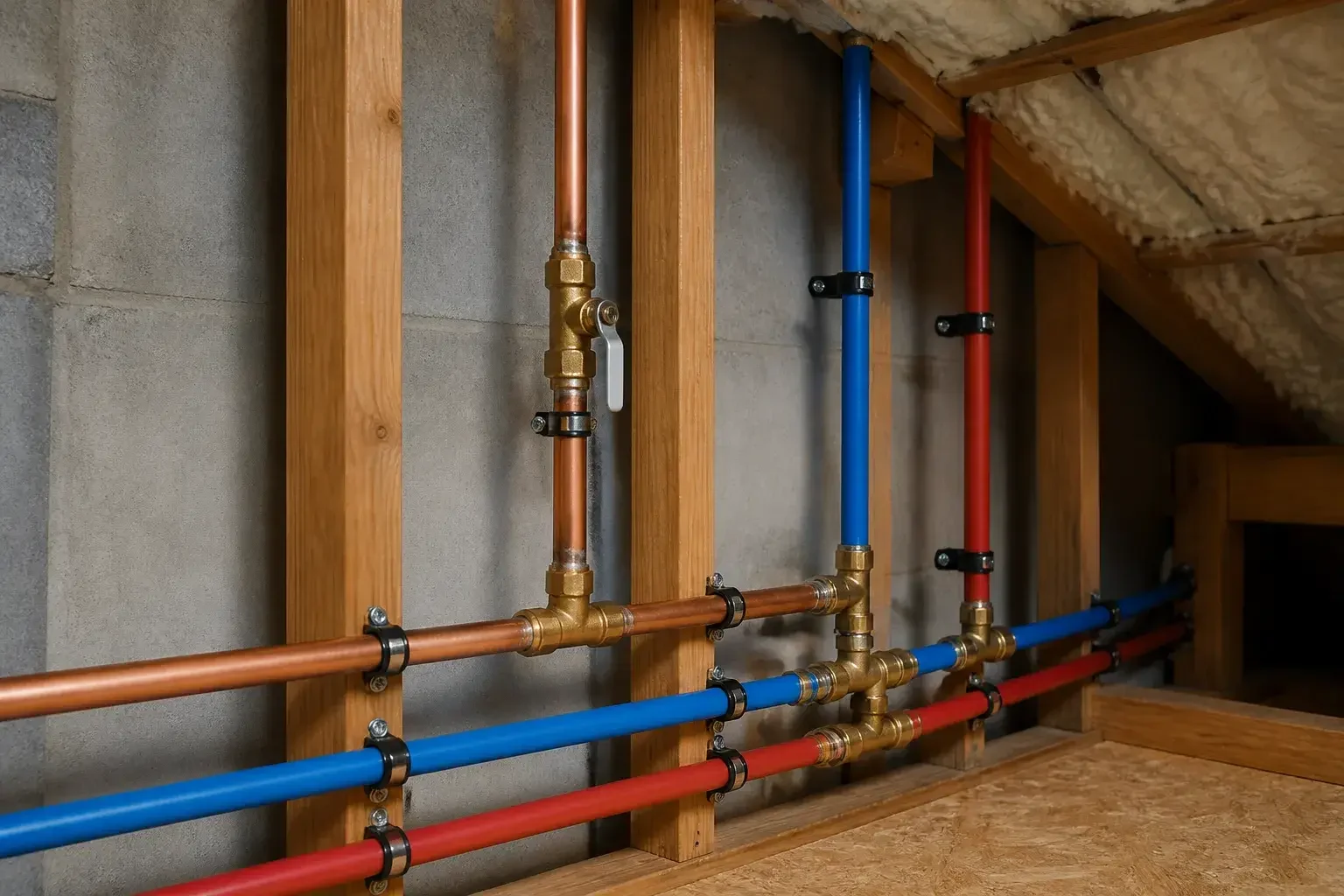
If your pipes are starting to fail, the signs usually show up before a major mess does. You may notice repeated leaks, noisy lines, rusty or discolored water, or faucets that seem to lose pressure for no clear reason. One repair can help for a while, but when problems keep coming back in different parts of the house, the issue may be inside the piping itself.
Bayview Plumbing Co helps homeowners in Tampa with repiping when patchwork fixes are no longer enough. We look at what is happening in the system, explain what needs to change, and replace worn or unreliable piping in a way that matches the home and the problem.
Warning signs
Repiping is not usually the first thing a homeowner thinks about, but it becomes a practical option when smaller repairs stop solving the issue. The warning signs often build slowly, then start to repeat.
- Frequent leaks: One leak can happen anywhere, but repeated leaks in different places often point to pipes that are past their useful life.
- Uneven pressure: A shower that starts strong and then weakens, or sinks that trickle when others are running, can signal internal pipe problems.
- Rusty water: Brown, yellow, or tinted water can mean the piping is breaking down and shedding material into the line.
- Noisy pipes: Banging, rattling, or sharp knocking can happen when flow is inconsistent or old lines are under stress.
- Patch after patch: If repairs keep moving from one section of the home to another, repiping may be the cleaner long-term fix.
What repiping solves
Repiping replaces aging or failing supply lines with new piping so the home can stop relying on a system that keeps breaking down. It is not about changing one visible problem. It is about addressing the plumbing behind the walls that keeps causing the same trouble.
Common reasons
- Aging materials: Older pipes can wear down from the inside out, leading to leaks, pressure loss, and discolored water.
- Repeated repairs: When one section gets fixed and another starts failing soon after, the whole line may be near the end of its service life.
- Flow problems: Narrowed or damaged pipes can restrict water movement and make everyday use frustrating.
- Visible deterioration: Corrosion, staining, and recurring wet spots are signs the system needs a closer look.
A repipe can help restore reliable water delivery throughout the home instead of forcing you to keep chasing isolated failures.
How we handle repiping
When Bayview Plumbing Co takes on a repiping project, the goal is to make the process clear from the start. Homeowners usually want to know what will happen, how much of the home will be involved, and what the work is intended to fix. We walk through those questions before any work begins.
Visit steps
- Check the symptoms: We look at the trouble you are seeing, whether that is leaks, poor pressure, or changing water quality.
- Review the piping layout: The home’s pipe runs help determine how extensive the work needs to be.
- Plan the replacement: We identify the sections or lines that need to be replaced and explain what the work will involve.
- Replace the piping: We remove the failing lines and install new piping so the system can function more reliably.
- Test the system: After the work is complete, we confirm that water flow and pressure are working as they should.
This process is meant to reduce guesswork. Repiping is a serious project, and clear planning makes it easier to move forward with confidence.
When repair is not enough
A single leak repair can be the right answer when the problem is isolated. Repiping becomes the better choice when the plumbing is showing a pattern of failure rather than one bad spot.
- One-off issue: If a leak comes from one damaged joint or one weak section, repair may be enough.
- Pattern of failure: If leaks keep appearing in different places, the system may be wearing out overall.
- Pressure that keeps dropping: Temporary fixes do not help much when flow problems return again and again.
- Water quality concerns: Persistent discoloration can be a sign that the piping itself is part of the problem.
In many homes, the hard part is knowing when to stop repairing and start replacing. A repipe is often the cleaner option when the same complaints keep coming back.
Homeowner preparation
Repiping is easier when the household knows what to expect before work starts. A little preparation can help the project move more smoothly and keep daily routines manageable.
- Clear access points: Make it easier to reach sinks, utility areas, and other spaces where piping may run.
- Plan for interruptions: Water may need to be off during parts of the project, so it helps to prepare ahead.
- Protect nearby items: Move fragile items away from work areas where walls or fixtures may need attention.
- Ask questions early: If something about the process is unclear, it is better to ask before the work begins.
A good repiping plan should feel organized, not rushed. The more you understand going in, the easier it is to manage the project while it is underway.
Signs after installation
Once the new piping is in place, homeowners usually want to know what should feel different. The point is not just to replace old material. It is to improve how the home uses water every day.
What improves
- More consistent flow: Faucets and showers should respond more evenly instead of fading in and out.
- Cleaner-looking water: New piping can help reduce the staining and discoloration caused by failing lines.
- Fewer leak concerns: Replacing worn sections lowers the chance of recurring pipe failures.
- Better day-to-day use: The plumbing should feel more dependable when multiple fixtures are used in the same home.
If you have lived with recurring pipe problems for a long time, those differences can be noticeable right away.
Why local service helps
Repiping is not a one-size-fits-all project. Homes can have different layouts, different pipe conditions, and different problem areas. Working with a local plumbing company means the job is handled by people who understand the kinds of issues homeowners call about in Tampa and nearby areas like Brandon, Clearwater, and Riverview.
Bayview Plumbing Co focuses on the plumbing problem in front of you, not on pushing unnecessary work. If your pipes are still repairable, we will say so. If the system has reached the point where replacement makes more sense, we will explain why and help you move forward with a practical plan.
Common questions
How do I know if I need repiping?
If leaks, pressure problems, or discolored water keep coming back in different parts of the home, repiping may be worth considering.
Is repiping only needed for older homes?
Not always. Age is one factor, but repeated failures, deteriorating lines, and flow problems can also make repiping the right move.
Will repiping fix low water pressure?
It can when the pressure issue is caused by damaged, narrowed, or failing pipes rather than another plumbing concern.
Can one leak mean I need a full repipe?
Not by itself. One leak can be a simple repair, but repeated leaks often point to a larger pipe issue.
What areas of the home are usually included?
That depends on where the problem lines run, but repiping commonly involves the main water supply lines serving the fixtures in the home.
What should I ask before starting repiping?
Ask which parts of the home are affected, what will be replaced, and how the work will be staged so you can plan ahead.
Start the process
If your plumbing has moved from occasional repairs to repeated problems, repiping may be the clearer long-term answer. Bayview Plumbing Co helps homeowners in Tampa understand what is happening inside the walls and what it will take to replace failing pipes with a more reliable setup.
You do not need to guess whether a few more repairs will solve it. If the symptoms keep returning, we can help you figure out the next step and get the project moving in the right direction.
How We Work
A Clear Plumbing Process From Start to Finish
Every job starts with a careful look at the problem and a simple explanation of the work ahead.
- 01
Check the Issue
We look over the problem area and identify the likely source before recommending a solution.
- 02
Explain The Fix
You get a clear explanation of what we found and what makes sense next.
- 03
Complete The Work
We finish the plumbing work carefully and leave the area tidy.
FAQ
Common Plumbing Questions
How do I know if I need leak repair?
Visible water, damp spots, or a sudden jump in usage can point to a leak. An inspection helps confirm the source and the right fix.
When should a water heater be serviced?
If the water is not getting hot, runs out quickly, or sounds unusual, it may need attention. A plumber can check whether repair or replacement makes more sense.
Why do drains keep clogging?
Grease, soap buildup, hair, and debris can collect inside the line over time. Cleaning the drain can help clear the blockage and improve flow.
What are signs I may need repiping?
Frequent leaks, low water pressure, and recurring pipe problems can point to aging lines. A full repipe may be the better long-term solution.
Do you work on plumbing for businesses too?
Yes, we help both homes and businesses with common plumbing repairs and service needs. We can discuss the issue and the best next step.
Get started
Talk With a Tampa Plumber Today
Tell us what is happening with your plumbing, and we will help you plan the right next step for repairs, water heaters, drains, or repiping.