Water Heaters in Tampa, FL
No hot water or inconsistent temperatures can disrupt your day and call for repair or replacement.
Schedule Service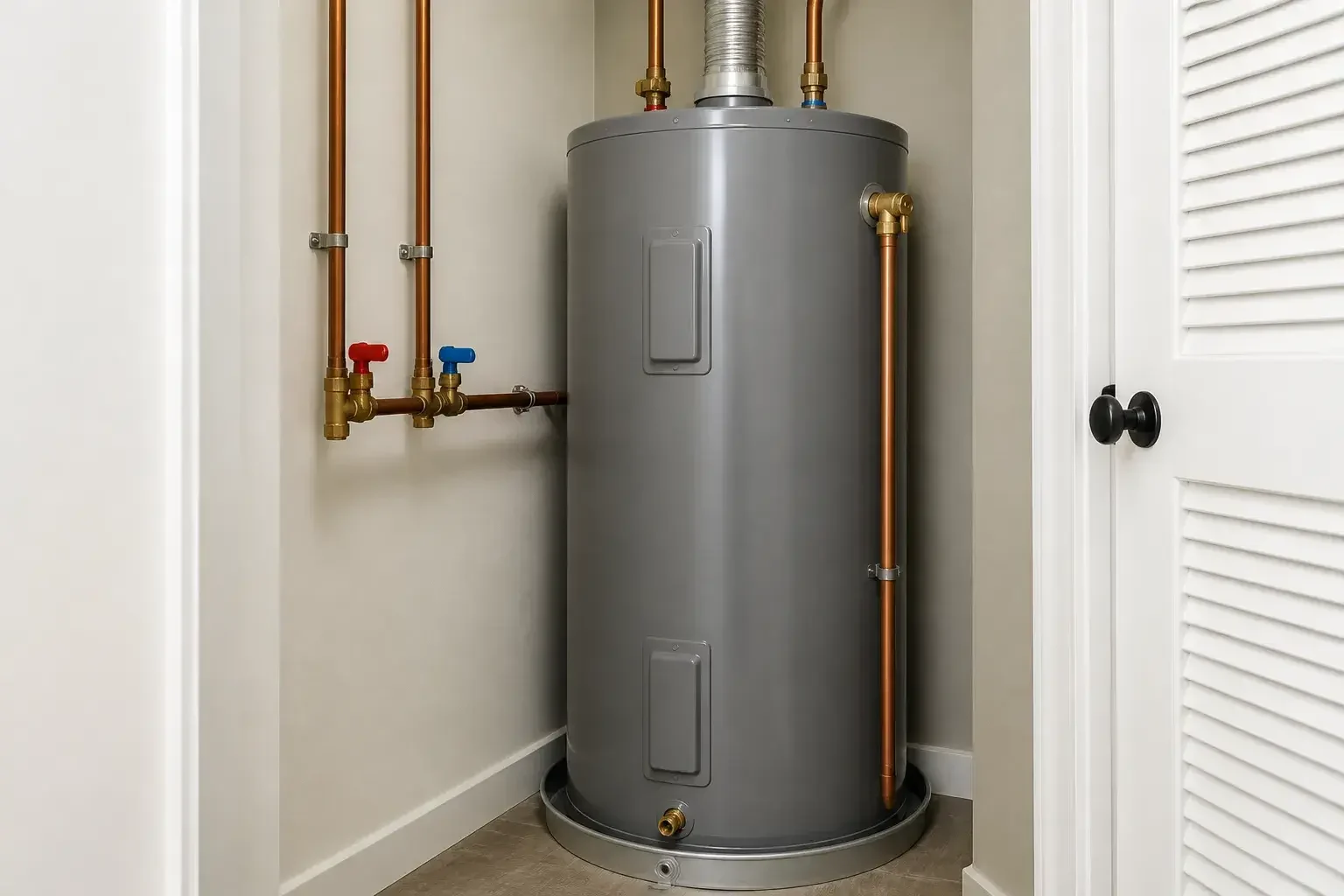
Hot water problems can turn simple routines into daily frustrations, and they usually worsen fast. If your shower starts hot and fades halfway through, your dishwasher leaves dishes less than clean, or you hear strange sounds from the tank, the issue is usually more than a small nuisance.
Bayview Plumbing Co helps homeowners handle water heater trouble before it becomes a bigger mess. Whether you are dealing with inconsistent temperature, cloudy water, or a unit that seems to be taking longer and longer to recover, the next step is to have the problem looked at and addressed with the right repair or replacement plan.
Warning signs
Water heaters often give clues before they stop working altogether. Some signs are easy to overlook at first, but they point to a system that needs attention.
- Inconsistent water temperature: If the water swings from hot to lukewarm without warning, the heater may be struggling to keep up.
- Short supply of hot water: Running out faster than usual can mean the tank is no longer heating or storing water properly.
- Unusual noises: Popping, rumbling, or crackling sounds often suggest sediment buildup inside the tank.
- Discolored water: Rusty or cloudy hot water can point to tank corrosion or internal wear.
- Visible moisture: Any pooling or dampness around the unit should be taken seriously, since small leaks can spread quickly.
If one or more of these symptoms show up, it is worth getting a closer look before the problem grows.
Common causes
Water heater trouble can come from several different sources, and the right fix depends on what is actually happening inside the system.
- Sediment buildup: Minerals and debris can settle at the bottom of the tank and reduce heating efficiency. Over time, this makes the unit work harder and can create banging or popping noises.
- Heating element issues: Electric units may lose performance when an element weakens or fails, leading to lukewarm water or slow recovery.
- Thermostat problems: If the temperature control is off, the heater may not deliver the water temperature you expect.
- Corrosion inside the tank: Rust and wear can affect water quality and often signal that the tank is nearing the end of its useful life.
- Loose or failing connections: Water supply lines, valves, and fittings can develop leaks that affect performance and create visible moisture around the heater.
Understanding the cause matters because a simple repair is not always enough. Some units can be restored with targeted work, while others are better served by replacement.
Repair or replace
Homeowners often ask whether a unit can be fixed or whether it is time for a new one. The answer depends on the condition of the heater, the age of the system, and how it has been performing lately.
When repair makes sense
- Single issue: A failed valve, thermostat problem, or one weak component may be resolved without replacing the entire unit.
- Recent installation: A newer heater with a specific problem often has plenty of life left after the repair.
- Stable tank condition: If the tank itself is intact and not showing signs of corrosion, repair may be the right path.
When replacement makes more sense
- Repeated breakdowns: If the same unit keeps failing, repair bills can start to outweigh the value of keeping it.
- Tank deterioration: Rust, leaks from the tank body, or widespread corrosion usually point toward replacement.
- Poor hot water recovery: If the heater can no longer meet normal household demand, a new system may be the practical solution.
Bayview Plumbing Co looks at the whole picture so you can make a clear decision instead of guessing at the next move.
How we handle it
A water heater visit should feel organized, not confusing. We focus on finding the issue, explaining what is happening, and handling the repair or replacement work needed to get hot water back on track.
- Check the symptoms: We start by listening to what you have noticed, from temperature swings to noise or leaking.
- Inspect the unit: The heater, connections, and related components are examined to see where the trouble begins.
- Identify the fix: Once the issue is clear, we explain whether repair or replacement is the more practical answer.
- Complete the work: We handle the needed service carefully and keep the process straightforward from start to finish.
- Confirm performance: Before wrapping up, we make sure the unit is operating as it should and that hot water is restored.
That process helps reduce guesswork and gives you a clearer path forward when your water heater stops doing its job.
What homeowners notice
A failing water heater often affects more than one part of the house at once. You may notice problems in the bathroom, kitchen, or laundry room before you connect them back to the heater itself.
- Showers cool off quickly: The water may start out fine and then lose heat long before you are finished.
- Dishwashing becomes harder: Hot water that is not hot enough can leave dishes with residue or make cleaning less effective.
- Laundry feels incomplete: Water temperature that is too low can affect how well detergent works.
- Noise in the utility area: Sounds from the tank can be more noticeable when sediment has built up or the system is under strain.
If this sounds familiar in Tampa, it is a good sign that the heater should be checked before it becomes more disruptive.
Why prompt service helps
Waiting too long can turn a manageable water heater issue into a bigger disruption. Small leaks can damage the area around the unit, while ongoing temperature issues can make daily routines harder than they need to be.
Prompt service can also help you avoid treating the symptom instead of the source. For example, adjusting the thermostat will not solve a tank that is corroding, and replacing one small part will not help if the unit is already worn out. Getting the right diagnosis early saves time and helps you avoid repeated frustration.
Bayview Plumbing Co works with homeowners who want a practical answer, not a temporary fix that fails again a few weeks later.
Before the visit
A little preparation can make the service call smoother and help the work move efficiently.
- Clear access: Make sure the area around the water heater is open enough to reach the unit and nearby connections.
- Note the symptoms: Write down what you have noticed, such as noises, temperature changes, or visible moisture.
- Check related fixtures: If the issue affects multiple sinks or showers, mention that when you schedule service.
- Avoid repeated resets: If the heater keeps acting up, repeated restarts can make it harder to understand the actual problem.
These small steps help us get to the cause faster and keep the visit focused on the issue at hand.
Common questions
Why does my hot water run out so quickly?
A water heater that cannot keep up may be dealing with sediment buildup, a failing heating component, or an undersized or aging unit.
Why is my water heater making noise?
Popping or rumbling usually points to sediment inside the tank, which can interfere with heating and create extra strain on the system.
What does rusty hot water mean?
Rusty water can indicate corrosion in the tank or internal components, and it is a sign the heater should be evaluated soon.
Can a small leak around the heater matter?
Yes, even a small leak can signal a loose connection or a larger internal problem, and it can get worse if ignored.
Why does the water temperature change from one faucet to another?
That can happen when the heater is not delivering consistent hot water, or when the problem is affecting more than one part of the plumbing system.
How do I know if repair is enough?
The answer depends on what is wrong with the unit, how the tank looks, and whether the heater has been holding up well overall.
Ready for hot water
If your water heater is making daily life harder, Bayview Plumbing Co can help you move from guesswork to a clear plan. We handle the practical side of water heater repair and replacement for homeowners in Tampa and nearby communities, including Brandon, Clearwater, and Riverview.
When hot water becomes unreliable, it is better to deal with the issue directly than keep working around it. A timely visit can restore comfort, protect your fixtures, and help you decide whether repair or replacement is the smarter move.
How We Work
A Clear Plumbing Process From Start to Finish
Every job starts with a careful look at the problem and a simple explanation of the work ahead.
- 01
Check the Issue
We look over the problem area and identify the likely source before recommending a solution.
- 02
Explain The Fix
You get a clear explanation of what we found and what makes sense next.
- 03
Complete The Work
We finish the plumbing work carefully and leave the area tidy.
FAQ
Common Plumbing Questions
How do I know if I need leak repair?
Visible water, damp spots, or a sudden jump in usage can point to a leak. An inspection helps confirm the source and the right fix.
When should a water heater be serviced?
If the water is not getting hot, runs out quickly, or sounds unusual, it may need attention. A plumber can check whether repair or replacement makes more sense.
Why do drains keep clogging?
Grease, soap buildup, hair, and debris can collect inside the line over time. Cleaning the drain can help clear the blockage and improve flow.
What are signs I may need repiping?
Frequent leaks, low water pressure, and recurring pipe problems can point to aging lines. A full repipe may be the better long-term solution.
Do you work on plumbing for businesses too?
Yes, we help both homes and businesses with common plumbing repairs and service needs. We can discuss the issue and the best next step.
Get started
Talk With a Tampa Plumber Today
Tell us what is happening with your plumbing, and we will help you plan the right next step for repairs, water heaters, drains, or repiping.